Porcelain or ceramic tiles: which should you choose?
Porcelain and ceramic tiles can both produce an excellent finish, but they behave differently. Choosing the right material for the room can improve durability, maintenance and installation.
The practical difference
Porcelain is typically denser and less absorbent than standard ceramic. That makes it a strong option for floors, busy spaces and areas where moisture resistance matters.
Ceramic tiles are commonly used on walls and can be easier to cut and handle. They are available in a huge range of finishes and can be a cost-effective choice for many bathrooms and kitchens.
For anyone researching porcelain or ceramic tiles, the most useful approach is to look at the practical conditions behind the finish rather than treating the job as a single generic task. Porcelain is generally denser and has a lower water absorption than standard ceramic, which is why it is common on floors and in demanding areas. Ceramic wall tiles are often lighter and easier to cut, making them practical for many kitchens, bathrooms and decorative walls. The label on the box matters more than assumptions because products within both categories can have very different slip, wear and finish characteristics. A tile intended only for walls should not be treated as interchangeable with a product rated for floor traffic. This is where an experienced tiler can add value: not by using more technical language, but by checking the details that affect the finished surface and explaining the options before work is committed. For a homeowner, the practical test is simple: the proposed method should make sense for the exact room, the chosen tile and the way the area will be used, rather than relying on a one-size-fits-all rule.
Key points
- Porcelain is dense and hard-wearing
- Ceramic is often lighter and easier to cut
- Both are available in many finishes
- Suitability depends on the exact product
Where porcelain works well
Porcelain is widely used on floors, in wet areas and for larger-format installations. Its density makes correct cutting equipment, adhesives and preparation particularly important.
Always check the manufacturer's technical information rather than relying only on the appearance of the tile.
The specification also needs to work as one system. That means the tile, substrate, preparation products and installation method should be considered together. Porcelain performs well where durability, low absorption and a robust surface are priorities. Its density means professional cutting blades, drills and handling techniques become more important, especially with thick or large-format products. External corners, sockets, pipe penetrations and sanitaryware can make a porcelain installation slower than a comparable ceramic wall tile. Adhesive choice and substrate preparation should follow the tile and system manufacturer's guidance. This is where an experienced tiler can add value: not by using more technical language, but by checking the details that affect the finished surface and explaining the options before work is committed. For a homeowner, the practical test is simple: the proposed method should make sense for the exact room, the chosen tile and the way the area will be used, rather than relying on a one-size-fits-all rule.
KB Tiling tip
For floors, check the tile is specifically rated for floor use and suitable for the expected traffic.Choose for the room, not the trend
A tile can look perfect in a showroom but still be wrong for a particular surface or environment. Consider slip resistance, cleaning, grout colour, room size and how much natural light the space receives.
Samples viewed in the actual room are useful because colour and texture can change significantly under different lighting.
Good setting out and early decisions usually make the finished result easier to control, because problems are cheaper to solve on paper than after fixing has started. Finish should be chosen around the room's use, not only a showroom sample. Polished surfaces, heavily textured anti-slip finishes and matt glazes all feel and clean differently. Grout colour can change the visual effect of either material and may make joints either disappear or become a deliberate part of the design. Samples should be viewed in the actual room because daylight and artificial lighting can alter tone and texture. This is where an experienced tiler can add value: not by using more technical language, but by checking the details that affect the finished surface and explaining the options before work is committed. For a homeowner, the practical test is simple: the proposed method should make sense for the exact room, the chosen tile and the way the area will be used, rather than relying on a one-size-fits-all rule.
Common mistakes to avoid
Most avoidable problems begin with an assumption that was never checked. Common examples include assuming porcelain is always better simply because it is harder, using a wall-only ceramic tile on a floor, and choosing a highly polished floor without considering slip and maintenance. Each can look minor at the planning stage, yet any one of them can change the layout, the amount of preparation or the time needed to complete the work. The safer approach is to surface those decisions early and write them into the agreed scope. That gives the installer a clear standard to work to and gives the client something meaningful to compare when reviewing quotations.
Other mistakes are more likely to show up once work is under way: ignoring the manufacturer's suitability information, ordering too little spare material for a directional or batch-sensitive tile, and choosing a very textured surface without thinking about cleaning. These are not reasons to overcomplicate a straightforward tiling project. They are reminders that a durable finish depends on a chain of small decisions being made in the right order. If something important changes after the work starts, stop and reassess the effect on materials, preparation, finished levels and programme rather than forcing the original plan to fit a different situation.
Key points
- assuming porcelain is always better simply because it is harder
- using a wall-only ceramic tile on a floor
- choosing a highly polished floor without considering slip and maintenance
- ignoring the manufacturer's suitability information
- ordering too little spare material for a directional or batch-sensitive tile
- choosing a very textured surface without thinking about cleaning
A sensible way to plan the work
A sensible sequence keeps the project understandable. Start by decide whether the tile is for wall, floor or both, then check the technical rating and intended use. Once those basics are known, compare finish, slip resistance and maintenance. That order matters because design choices are easier to judge when the physical condition of the room is already understood. It also reduces the chance of buying materials for a layout that later has to change. Before fixing starts, the client and tiler should be able to describe the intended finish, the preparation included and the main details that need particular attention.
From there, look at samples in the room's real lighting, confirm the substrate and adhesive system, and finally order enough material from a consistent batch with a sensible spare allowance. Keeping this sequence visible is especially useful on renovations where several trades are involved. Tiling often sits between preparation work and final fitting, so unclear responsibility can create delays. A short written scope, a few marked setting-out lines and photographs of concealed preparation can be more valuable than a long informal conversation because everyone can refer back to the same decisions.
Key points
- decide whether the tile is for wall, floor or both
- check the technical rating and intended use
- compare finish, slip resistance and maintenance
- look at samples in the room's real lighting
- confirm the substrate and adhesive system
- order enough material from a consistent batch with a sensible spare allowance
Questions worth asking before work begins
A good pre-start conversation should answer practical questions rather than simply confirm a date. Ask: Is this tile rated for the exact surface I am tiling? Does it need sealing before or after grouting? What cleaning products are recommended? Clear answers help separate what is included from what is assumed. They also make it easier to identify where another trade, supplier or product manufacturer needs to provide information before the tiler can proceed.
It is also worth asking: How difficult will the tile be to drill and cut around fittings? Is the surface suitable for a wet or high-traffic area? Are shade and calibre consistent across the boxes? The aim is not to interrogate the installer; it is to make the scope transparent. A professional response should explain the reasoning in plain English and, where a product-specific decision matters, point back to the relevant manufacturer's instructions. That is a stronger basis for a project than relying on a vague promise that everything will be 'fine'.
Key points
- Is this tile rated for the exact surface I am tiling?
- Does it need sealing before or after grouting?
- What cleaning products are recommended?
- How difficult will the tile be to drill and cut around fittings?
- Is the surface suitable for a wet or high-traffic area?
- Are shade and calibre consistent across the boxes?
What this means for projects in Essex
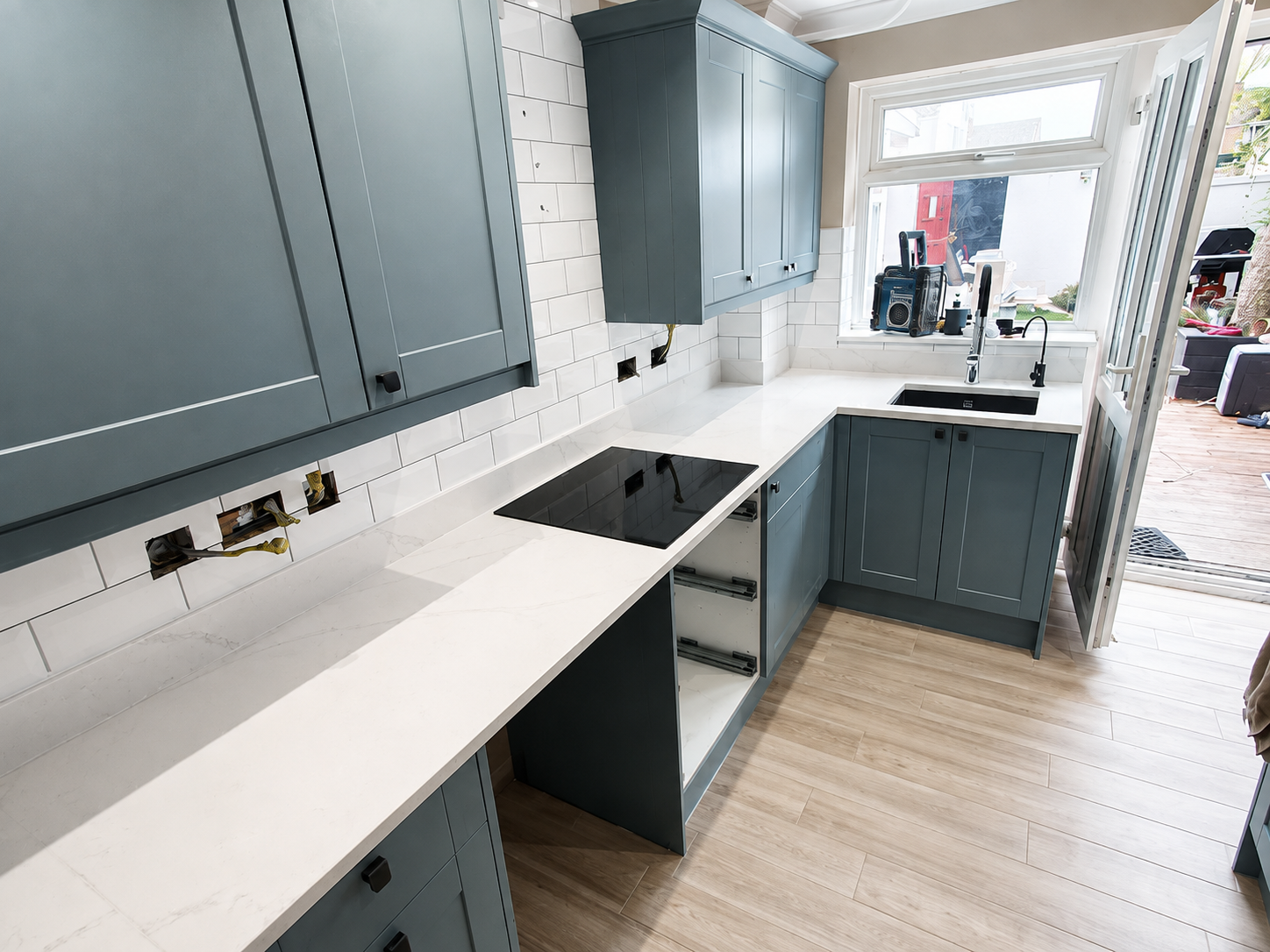
For homes across essex, porcelain is a common choice for kitchens, hallways and open-plan floors because it combines a wide design range with strong wear resistance. Ceramic remains an excellent option for many bathroom and kitchen walls where weight, ease of cutting and decorative choice can be more important than floor-level durability.
The best material is the one that matches the room, substrate and maintenance expectations rather than the one with the more premium-sounding name. KB Tiling Essex works with domestic and commercial tiling projects across Chelmsford, Essex and surrounding areas, so local planning is less about inserting place names into a page and more about understanding the practical conditions of real properties and sites. If you are comparing options for porcelain or ceramic tiles, use local examples as context, but make the final decision around your own substrate, tile, room and specification.
Frequently asked questions about porcelain or ceramic tiles
Is porcelain always more expensive than ceramic? Not always. Product prices overlap, although dense porcelain can cost more to install when cutting and drilling are more demanding.
Which is better for a bathroom floor? A suitably rated porcelain tile is a common choice, but the exact slip rating, finish and manufacturer guidance matter more than the category name alone.
Can ceramic tiles be used in a shower? Many ceramic wall tiles are suitable for shower areas when installed as part of a correctly prepared and waterproofed system. Check the product specification.
Does porcelain need sealing? Most glazed porcelain does not, while some polished or specialist products may have specific treatment requirements. Always follow the manufacturer's instructions.
Which is easier to maintain? Both can be straightforward to maintain. Surface texture, grout colour and whether the product requires sealing often have more impact on day-to-day cleaning.
Final planning checklist
Before committing to the work, review the project in one pass. Confirm the substrate, tile specification, layout, preparation, installation materials, grout or joint details, access and programme. If the project involves porcelain tiles, ceramic tiles or best bathroom tiles, make sure those choices are reflected in the written scope rather than left as verbal assumptions. Keep product names and batch information where relevant, retain a small project record, and store sensible spare material after completion. These simple habits make future maintenance or local repairs much easier.
SEO searches often reduce a tiling decision to one phrase, but a real installation is always more specific. Someone searching for porcelain or ceramic tiles may be asking about cost, suitability, preparation, appearance or long-term maintenance at the same time. The best answer is therefore the one that connects those questions instead of repeating a keyword. Use this guide as a framework, then confirm the exact method for your room with the installer and the manufacturers of the products being used.
Final word