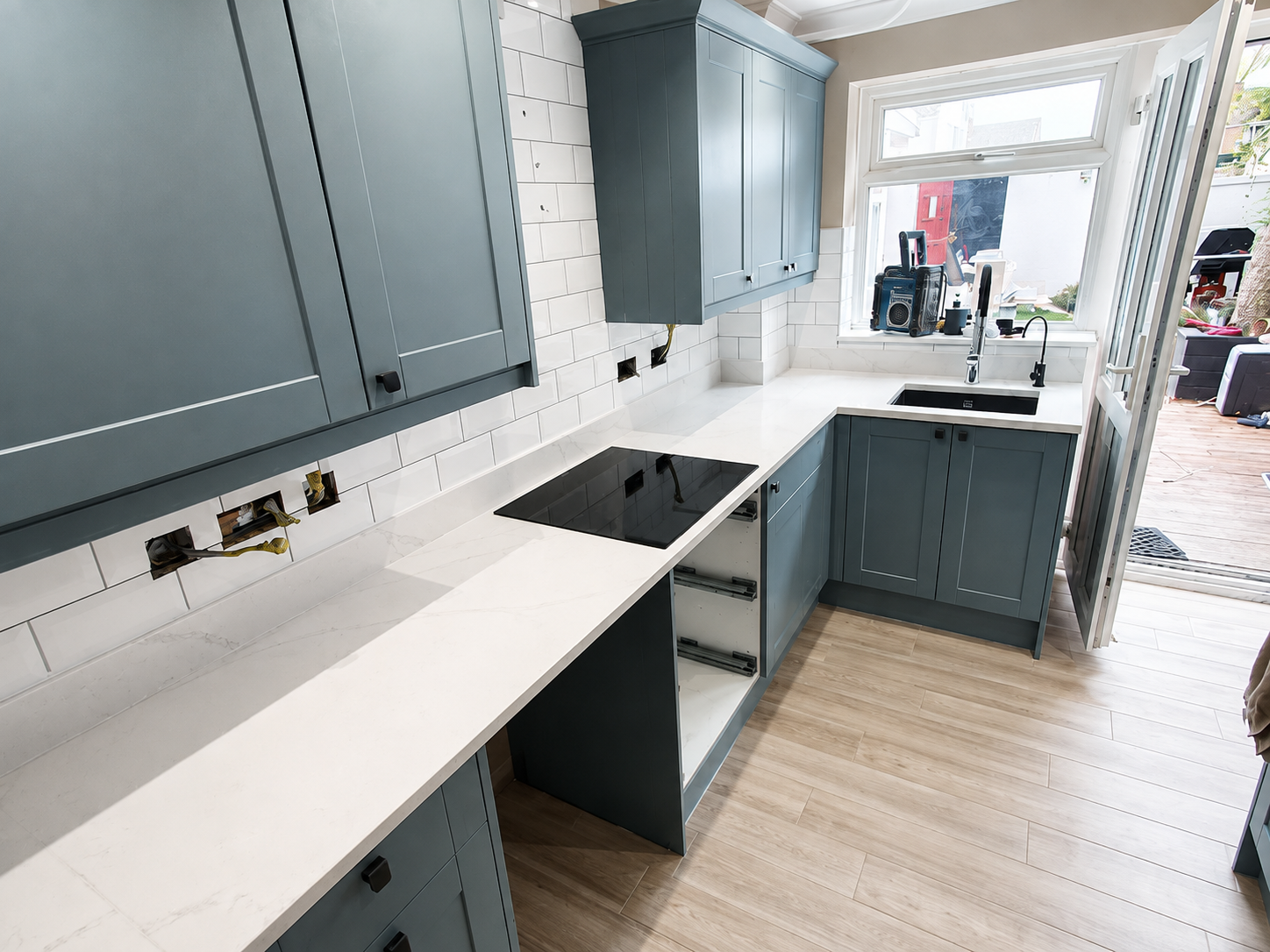

How to keep tiled floors looking good after installation
A correctly installed tiled floor is straightforward to maintain, but the right cleaning method depends on the tile and grout products used.
Start with the product information
Porcelain, ceramic, natural stone and specialist finishes can have different maintenance requirements. Always check whether the tile is glazed, textured, polished or requires sealing.
Using overly aggressive chemicals can leave residue or damage some surfaces.
For anyone researching how to clean and maintain tiled floors, the most useful approach is to look at the practical conditions behind the finish rather than treating the job as a single generic task. Maintenance should start with the tile and grout manufacturer's information because glazed porcelain, unglazed porcelain, ceramic and natural stone can have different requirements. A neutral cleaner and correct dilution are often more useful than repeatedly applying strong chemicals. Residue left by unsuitable products can make a floor look dull or attract more dirt. Textured anti-slip surfaces may need more mechanical agitation than smooth tiles. This is where an experienced tiler can add value: not by using more technical language, but by checking the details that affect the finished surface and explaining the options before work is committed. For a homeowner, the practical test is simple: the proposed method should make sense for the exact room, the chosen tile and the way the area will be used, rather than relying on a one-size-fits-all rule.
Key points
- Use suitable cleaners
- Avoid residue build-up
- Clean spills promptly
- Protect entrances from grit
- Follow sealing guidance where relevant
Look after grout joints
Grout joints can collect dirt in busy rooms, particularly when the surface texture is rough. Regular cleaning is easier than allowing contamination to build up over a long period.
Flexible joints should also be checked periodically and renewed if they become damaged or lose adhesion.
The specification also needs to work as one system. That means the tile, substrate, preparation products and installation method should be considered together. Grout joints sit slightly below or between the tile faces and can collect contamination, particularly in kitchens, entrances and commercial areas. Regular cleaning prevents gradual build-up that becomes much harder to remove later. Flexible silicone joints are maintenance items and should be inspected for loss of adhesion, mould or damage. Sealing should only be used where the grout or tile system calls for it. This is where an experienced tiler can add value: not by using more technical language, but by checking the details that affect the finished surface and explaining the options before work is committed. For a homeowner, the practical test is simple: the proposed method should make sense for the exact room, the chosen tile and the way the area will be used, rather than relying on a one-size-fits-all rule.
KB Tiling tip
Keep a note of the tile and grout product names so future maintenance is easier.Prevent avoidable damage
Furniture feet, dragged appliances and grit can mark some finishes. Protective pads and sensible moving practices reduce unnecessary wear.
On commercial projects, a planned cleaning regime should match the slip resistance and surface texture of the chosen tile.
Good setting out and early decisions usually make the finished result easier to control, because problems are cheaper to solve on paper than after fixing has started. Grit under shoes can act as an abrasive on some finishes, so entrance mats and regular vacuuming or sweeping make a real difference. Furniture pads reduce point scratching and marking when chairs or tables move. Heavy appliances should be lifted or moved with suitable protection rather than dragged. Commercial cleaning regimes should be matched to the tile's slip texture and traffic. This is where an experienced tiler can add value: not by using more technical language, but by checking the details that affect the finished surface and explaining the options before work is committed. For a homeowner, the practical test is simple: the proposed method should make sense for the exact room, the chosen tile and the way the area will be used, rather than relying on a one-size-fits-all rule.
Common mistakes to avoid
Most avoidable problems begin with an assumption that was never checked. Common examples include using too much detergent and leaving residue, using acidic products on materials that are not acid-resistant, and ignoring grout until it is heavily soiled. Each can look minor at the planning stage, yet any one of them can change the layout, the amount of preparation or the time needed to complete the work. The safer approach is to surface those decisions early and write them into the agreed scope. That gives the installer a clear standard to work to and gives the client something meaningful to compare when reviewing quotations.
Other mistakes are more likely to show up once work is under way: dragging furniture or appliances across the floor, using waxes or polishes not intended for the tile, and forgetting to keep spare tiles for future local repairs. These are not reasons to overcomplicate a straightforward tiling project. They are reminders that a durable finish depends on a chain of small decisions being made in the right order. If something important changes after the work starts, stop and reassess the effect on materials, preparation, finished levels and programme rather than forcing the original plan to fit a different situation.
Key points
- using too much detergent and leaving residue
- using acidic products on materials that are not acid-resistant
- ignoring grout until it is heavily soiled
- dragging furniture or appliances across the floor
- using waxes or polishes not intended for the tile
- forgetting to keep spare tiles for future local repairs
A sensible way to plan the work
A sensible sequence keeps the project understandable. Start by identify the exact tile and grout products, then carry out any required post-installation clean. Once those basics are known, use the recommended routine cleaner at the correct dilution. That order matters because design choices are easier to judge when the physical condition of the room is already understood. It also reduces the chance of buying materials for a layout that later has to change. Before fixing starts, the client and tiler should be able to describe the intended finish, the preparation included and the main details that need particular attention.
From there, remove loose grit regularly, deal with spills before they dry, and finally inspect grout, silicone and high-wear areas periodically. Keeping this sequence visible is especially useful on renovations where several trades are involved. Tiling often sits between preparation work and final fitting, so unclear responsibility can create delays. A short written scope, a few marked setting-out lines and photographs of concealed preparation can be more valuable than a long informal conversation because everyone can refer back to the same decisions.
Key points
- identify the exact tile and grout products
- carry out any required post-installation clean
- use the recommended routine cleaner at the correct dilution
- remove loose grit regularly
- deal with spills before they dry
- inspect grout, silicone and high-wear areas periodically
Questions worth asking before work begins
A good pre-start conversation should answer practical questions rather than simply confirm a date. Ask: What cleaner does the tile manufacturer recommend? Does the tile or grout need sealing? Is the surface textured or polished? Clear answers help separate what is included from what is assumed. They also make it easier to identify where another trade, supplier or product manufacturer needs to provide information before the tiler can proceed.
It is also worth asking: How should stubborn marks be treated? Are replacement tiles being stored from the same batch? How often should silicone and perimeter joints be inspected? The aim is not to interrogate the installer; it is to make the scope transparent. A professional response should explain the reasoning in plain English and, where a product-specific decision matters, point back to the relevant manufacturer's instructions. That is a stronger basis for a project than relying on a vague promise that everything will be 'fine'.
Key points
- What cleaner does the tile manufacturer recommend?
- Does the tile or grout need sealing?
- Is the surface textured or polished?
- How should stubborn marks be treated?
- Are replacement tiles being stored from the same batch?
- How often should silicone and perimeter joints be inspected?
What this means for projects in Essex
Essex homes with open-plan kitchen floors often bring outdoor grit directly into the main living area through garden doors and entrances. Simple matting and regular removal of loose particles can protect the appearance of a large porcelain floor without complicated products.
For hospitality or commercial spaces, cleaning equipment and frequency should be planned around actual footfall rather than a domestic routine. KB Tiling Essex works with domestic and commercial tiling projects across Chelmsford, Essex and surrounding areas, so local planning is less about inserting place names into a page and more about understanding the practical conditions of real properties and sites. If you are comparing options for how to clean and maintain tiled floors, use local examples as context, but make the final decision around your own substrate, tile, room and specification.
Frequently asked questions about how to clean and maintain tiled floors
Can I use vinegar on porcelain tiles? Do not assume household acids are suitable. Check the tile and grout manufacturer's guidance because acidic cleaners can affect some surfaces and cement-based joints.
Why does my tiled floor look smeary after mopping? Too much detergent, dirty water or product residue can leave a film. Correct dilution and thorough rinsing usually matter more than using a stronger cleaner.
How often should grout be deep cleaned? There is no fixed interval. Regular light cleaning is preferable, with deeper cleaning based on traffic, colour and how quickly contamination builds.
Do porcelain tiles need polishing? Most porcelain floors do not need household wax or polish. Use the maintenance method specified for the exact finish.
Why should I keep spare tiles? A small reserve from the original batch can make a future local repair much easier because colour, calibre and product availability can change.
Final planning checklist
Before committing to the work, review the project in one pass. Confirm the substrate, tile specification, layout, preparation, installation materials, grout or joint details, access and programme. If the project involves clean porcelain tiles, tile floor maintenance or clean grout joints, make sure those choices are reflected in the written scope rather than left as verbal assumptions. Keep product names and batch information where relevant, retain a small project record, and store sensible spare material after completion. These simple habits make future maintenance or local repairs much easier.
SEO searches often reduce a tiling decision to one phrase, but a real installation is always more specific. Someone searching for how to clean and maintain tiled floors may be asking about cost, suitability, preparation, appearance or long-term maintenance at the same time. The best answer is therefore the one that connects those questions instead of repeating a keyword. Use this guide as a framework, then confirm the exact method for your room with the installer and the manufacturers of the products being used.
One useful point to pause on is any detail that changes the proposed system rather than just the appearance. If you discover using acidic products on materials that are not acid-resistant, if the chosen product changes, or if the answer to “What cleaner does the tile manufacturer recommend?” is uncertain, get that clarified before continuing. The same applies when clean porcelain tiles or maintain tiled floor introduces a requirement that was not part of the original brief. A short delay to confirm the substrate, product data or finished level is usually easier to manage than removing completed work later. Keep decisions proportionate: not every small variation needs a redesign, but anything affecting adhesion, movement, waterproofing, safety, access or the visible setting-out deserves an explicit decision and, where relevant, confirmation from the product manufacturer.
Final word